

 Home
Home Active Beets
 Whole Greens
 Natural Energy
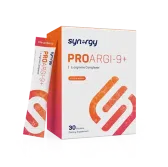 Cardio Support
 Joint Support
 Gut Health
 Collagen
 PhytoLife Detox
 Mistify Antioxidant
Circulation
The Foundation of System-Wide Performance
Why Circulation Matters
Understanding how circulation supports everyday energy, recovery and resilience can empower you to make lifestyle choices that enhance overall wellbeing.
Your body depends on one critical system every second of the day: Circulation.
Every cell in the body depends on a continuous supply of oxygen and nutrients. The circulatory system is responsible for delivering these essentials while assisting in the removal of metabolic waste products.
Although body systems have distinct roles, none operate in isolation. Efficient blood flow supports energy production, tissue repair, cognitive clarity and overall resilience. When circulation functions optimally, it provides the foundation that allows other systems to perform effectively.
Our Arteries - A Story of Movement
Your body contains an extraordinary circulatory network, with an estimated 100,000 miles of blood vessels delivering oxygen and nutrients to every tissue. Like the branches of a tree, arteries divide into smaller vessels, reaching tiny capillaries where nutrient exchange occurs.
At the centre of this system is the endothelium — the inner lining of blood vessels that helps regulate circulation and vascular flexibility.
interactive wellness tool
How Is Your Lifestyle Influencing Your Body?
See which systems appear well supported and where your body may be under greater demand
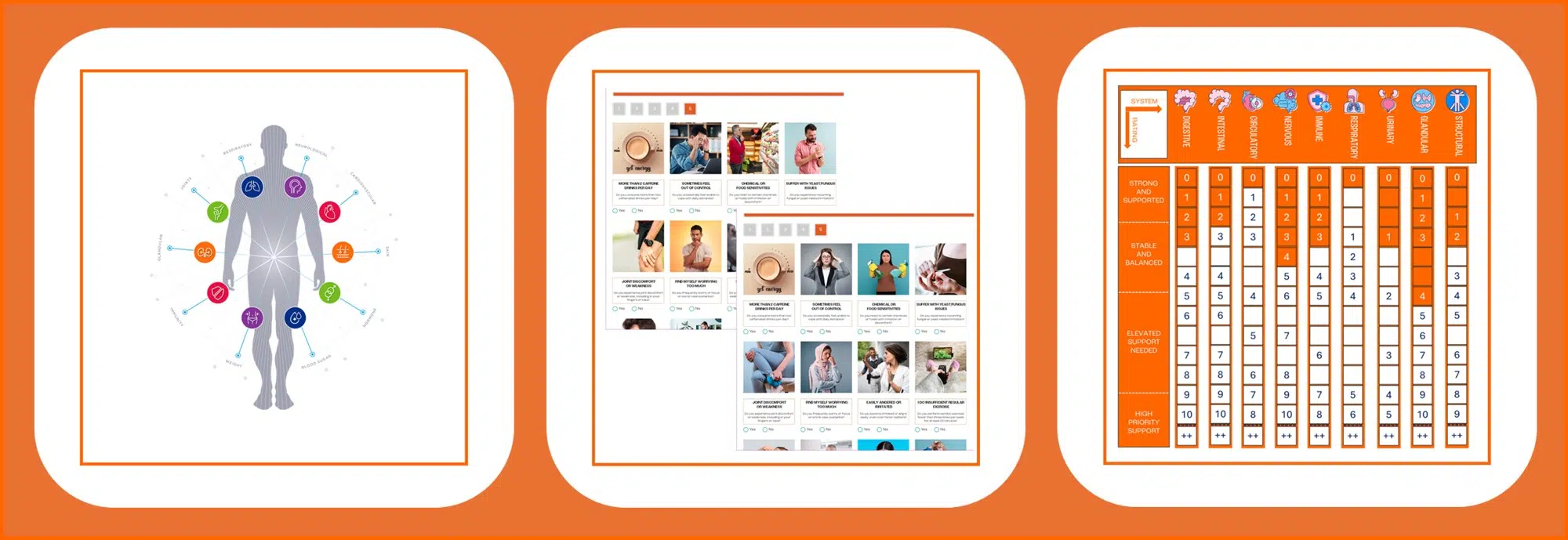
A short lifestyle review, personalised to you, that reveals how your daily habits may be influencing nine key body systems
Takes about 5 minutes | Your responses remain private
Takes about 5 minutes
Your responses remain private
Oxygen and Nutrient Delivery
Blood vessels form an extensive internal network, transporting oxygen from the lungs and nutrients from the digestive system to tissues throughout the body. At the level of the smallest vessels, known as capillaries, exchange occurs between blood and cells.
This process is essential for:
• Sustained energy production
• Physical recovery
• Mental clarity
• Cellular maintenance
Circulatory efficiency influences how well these processes are supported over time.
The Role of Nitric Oxide
Nitric oxide is a naturally occurring signalling molecule produced within the lining of blood vessels. It plays a key role in helping vessels relax and maintain flexibility.
When blood vessels can adapt and widen appropriately, circulation becomes more efficient. This supports the smooth delivery of oxygen and nutrients throughout the body.
Nitric oxide production occurs through enzymatic pathways within the endothelium, the thin cellular layer that lines the inside of blood vessels. This process is influenced by age, physical activity and overall lifestyle patterns.
How The Body Produces Nitric Oxide
Inside the lining of your blood vessels (the endothelium), the body produces nitric oxide using an enzyme called endothelial nitric oxide synthase (eNOS). This is central to cardiovascular homeostasis. It forms nitric oxide from L-arginine, and maintaining eNOS function is associated with improved vascular responsiveness.
In simplified terms, the process works like this:
L-arginine → (eNOS) → Nitric Oxide + L-citrulline
Nitric oxide then signals the surrounding smooth muscle in the vessel wall to relax, allowing blood vessels to widen and support healthy circulation.
This pathway is one of the key reasons L-arginine has been widely researched in cardiovascular and performance nutrition.
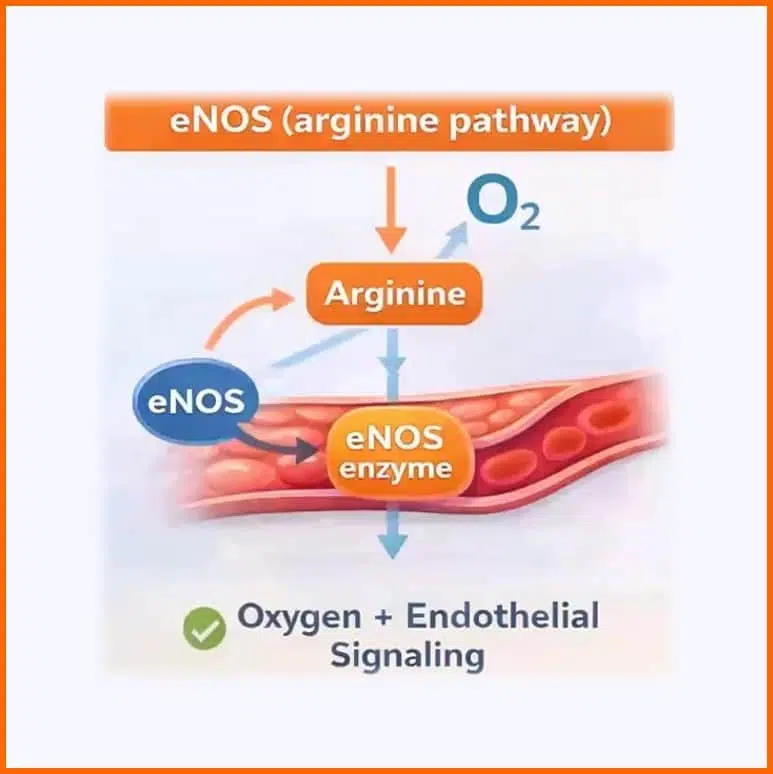
Nitric oxide’s vasodilation effect supports healthy blood pressure and efficient blood delivery to organs.
Lifestyle and Vascular Efficiency
Nitric oxide production and vascular flexibility are not static. They can be influenced by several factors, including:
- Physical activity
- Sleep levels
- Nutritional patterns
- Stress exposure
- Aging processes
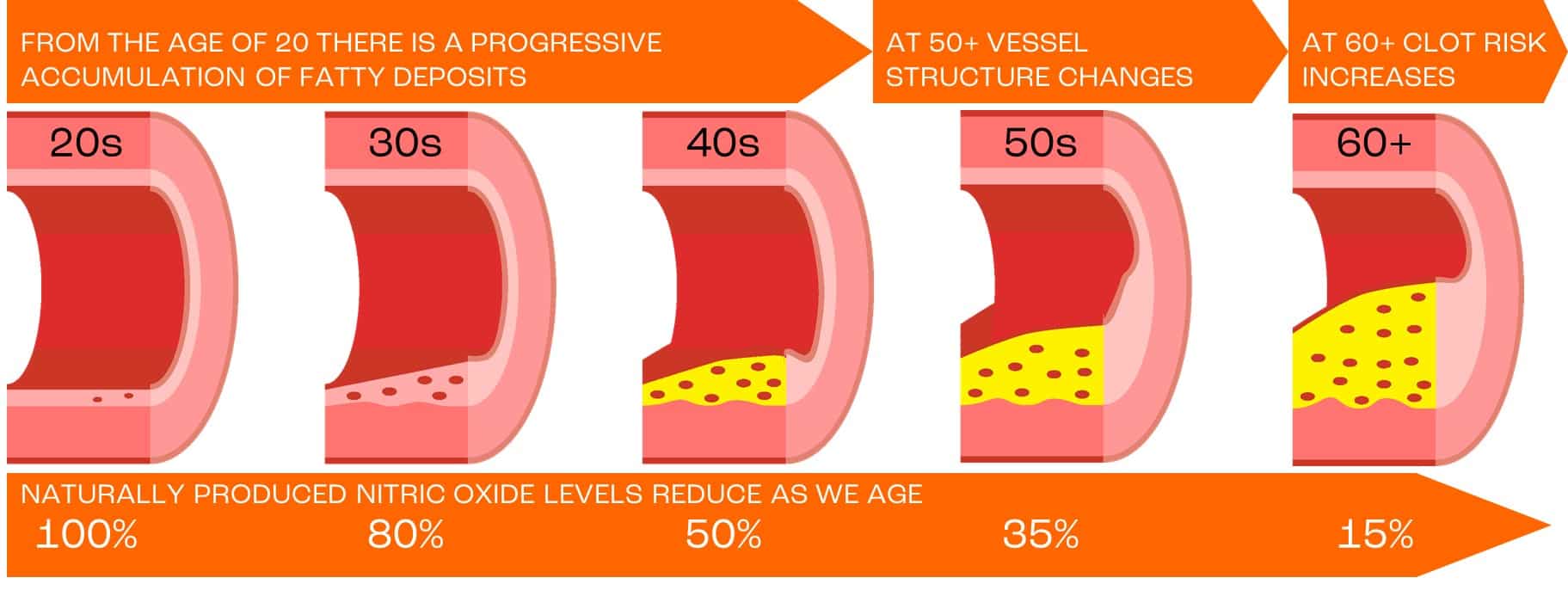
Ageing, inflammation, oxidative stress, and lifestyle pressures can reduce endothelial function over time, making circulatory support increasingly important.
Research also shows that the body’s natural production of nitric oxide steadily declines with age — meaning the very mechanism that helps blood vessels relax and maintain healthy blood flow becomes less efficient over the years.
This gradual reduction is one reason circulation, energy, and cardiovascular performance often feel easier to maintain in your 20s and 30s, but require more active support later in life.
The Science Behind Vascular Function
Circulation depends not only on healthy blood vessels, but also on the biological signals that allow those vessels to relax and adapt. One of the key molecules involved in this process is nitric oxide — produced naturally within the body through pathways that involve amino acids such as L-arginine.
Understanding how L-arginine supports nitric oxide production, and how this pathway influences vascular flexibility, provides deeper insight into circulation efficiency and long-term cardiovascular resilience.
If you would like to explore how a premium L-arginine product can help with the natural production of Nitric Oxide, continue below.
![[TNName]](https://pro360nutrition.co.uk/wp-content/uploads/2025/08/Kim-Bradley-New-HS.png.webp)
I believe ProArgi-9+ is absolutely the best supplement you can buy today for all round health. Click the button below to visit my shop and find out more. There is a full 90-Day money back guarantee on ALL 1st orders.
If you have any questions, my contact details are at the top of the page.
Best wishes